About This Program
Program Highlights
Offered by the Department of Psychology in CSUN’s College of Social & Behavioral Sciences, this dynamic program is designed and taught by expert CSUN faculty alongside seasoned industry professionals. Through this unique collaboration, students gain a robust academic foundation paired with real-world, hands-on training.
100% of CSUN's ABA graduates passed the 2024 BCBA Exam on their first attempt. That's compared to a national average of just 54%. (See BACB pass rates). CSUN ranked number one in the United States for first-time test-taker pass rates in 2024.
On-campus and off-site practicum options are arranged for you so you can obtain the required supervised fieldwork hours.
Students could be eligible for paid positions with partnering agencies, federal work study, student assistantships, and more. In prior years, more than 80% of our students held at least one paid position. Additionally, many students get hands-on experience such as working as a student assistant, presenting at conferences, or conducting research.
Upon graduating, 90% of our students have jobs in the field of Behavior Analysis.
CSUN's cohort model lets you progress through the program with the same peer group. With this format, enrollment is guaranteed in all courses, leading to exceptionally high graduation rates.
Job Outlook: Public Sector


Job Outlook: Social Services


About the Master of Applied Behavior Analysis Program at CSUN


Behavior analysts (BCBAs) focus on the direct behavioral outcomes of their interventions. They typically start by identifying current contexts that are responsible for behavioral problems, then design changes to those same contexts to promote better behavior. In doing so, the BCBA works with the people who play an active role in the context of the behavior, such as family, teachers, other caregivers, and other health care providers. Behavior analysts typically work directly with the client and caregivers to arrange practice opportunities to promote the desired behavior change.
What Do Behavior Analysts Do?
This program opens the door to a range of exciting career opportunities, including—but not limited to—the ones listed below:
- Board Certified Behavior Analyst
- Clinical Behavior Analyst
- Autism Specialist
- Organizational Behavior Management (OBM) Consultant
- Program Coordinator or Director in ABA Agencies
- Researcher in Behavior Analysis
- Forensic Behavior Analyst
- School Psychologists
- Mental Health Therapists
- Mental Health Counselors
- Regulatory Affairs Managers
- Licensed Mental Health Professionals
- Outpatient Therapists

Meet Your Faculty
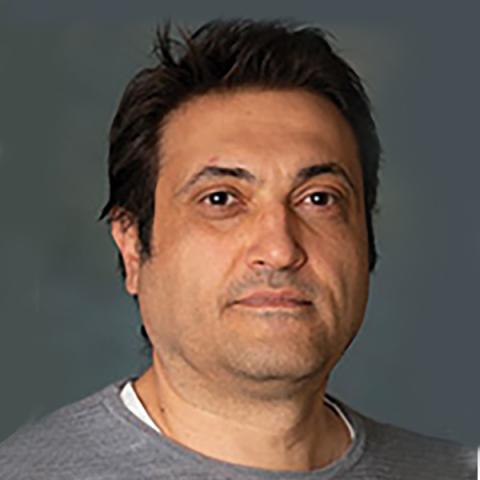
Off-site Clinical Practicum Supervisor
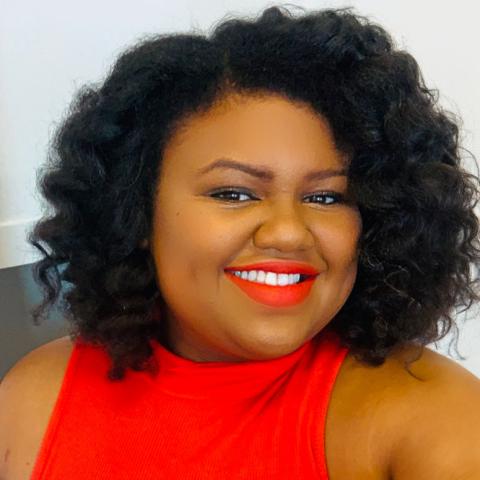
Research and Clinical Practicum Supervisor
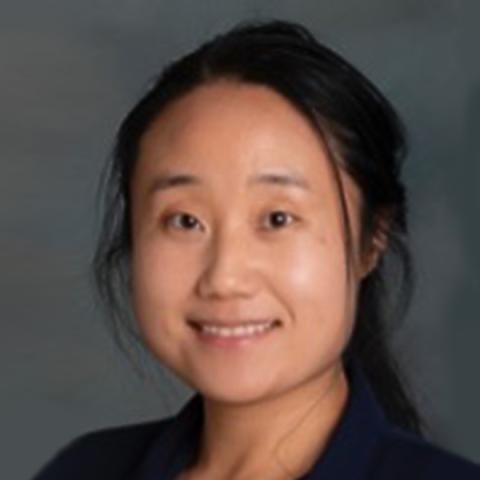
Research and Clinical Practicum Supervisor

Career Connections
As a CSUN graduate, you become part of an extensive network of over 435,000 alumni—an invaluable source of support for your professional success.
CSUN's M.S. in Applied Behavior Analysis graduates have built successful careers in these organizations and many others: Los Angeles Unified School District, University of California, Kaiser Permanente, Pasadena City College, Los Angeles Valley College, Santa Monica College, University of Southern California, Glendale Community College, and Los Angeles Pierce College.


Student Success Stories